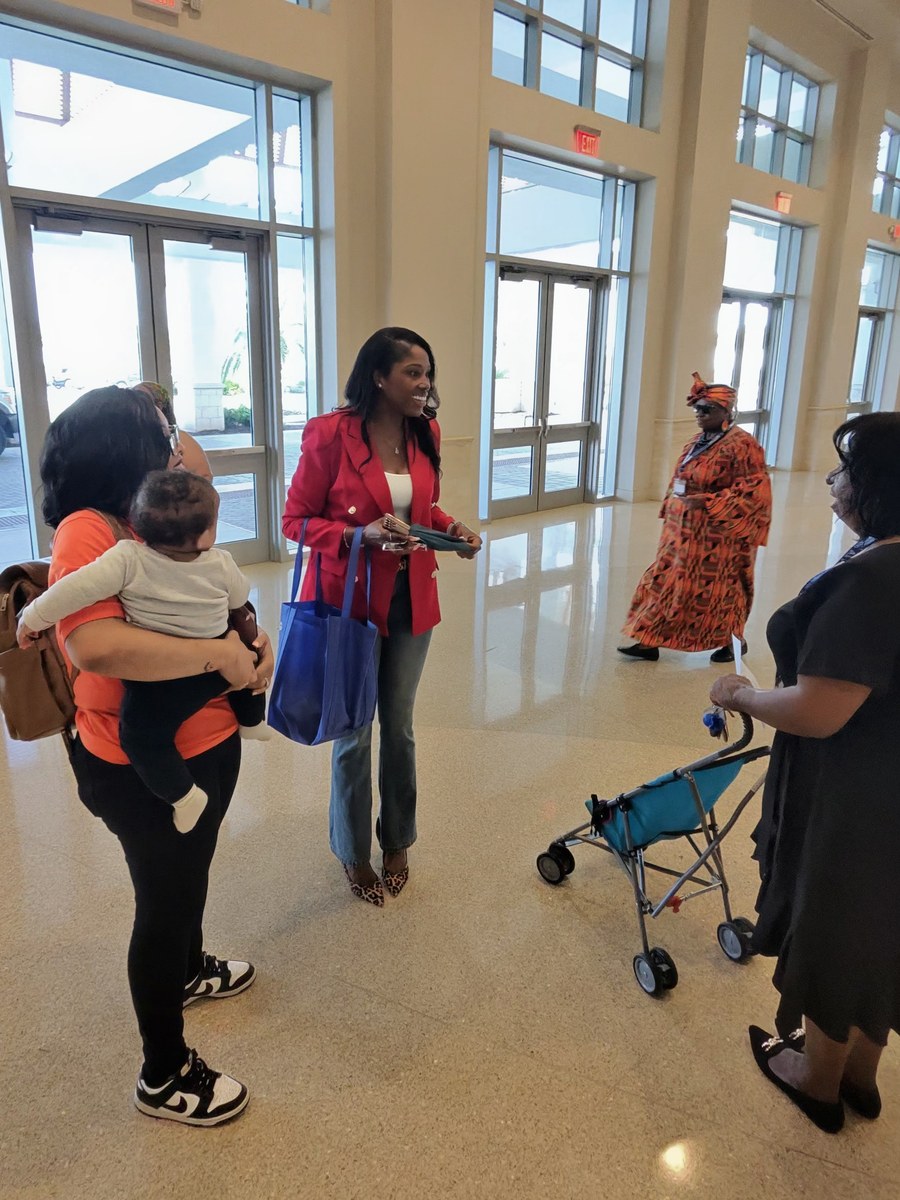
Table Stake Collective in the community. Meeting people where they are, not from a distance.
Elected officials and neighborhood leaders make decisions about communities without first asking the people who live there what they actually need. Development plans, policy changes, and resource allocations are handed down as finished solutions that miss local wisdom and cultural nuance entirely.
Consultants and advisors enter communities, collect information, and leave without accountability to what happens next. Trust erodes with every cycle.
Community development investments flow into neighborhoods based on external priorities, not community ones.
Organizations are built to serve communities without the communities having any hand in designing them. The result is programs that miss the people they were built for.
Communities become passive recipients of decisions made about them, rather than active architects of their own future.
Before a strategy is built, before a dollar is raised, before a door is knocked or a commitment made, Table Stake Collective maps the landscape.
Research before strategy. An honest account of what is true before anyone decides what to do about it.
The distance between what is and what is possible. Almost always more specific than anyone expected.
Systems designed around what the community needs to receive, not what is available to offer.
Douglas County, 2026. The gap was not a shortage of aligned voters. It was turnout. Knowing that changed everything about how the campaign was built.
Georgia child welfare. The gap was families entering the system at crisis. A prevention program built at Georgia Division of Family and Children Services reached 4,000 families in year one and became the model for early intervention at scale.
The gap between a roof and a stable life. Affordable supported housing designed around resident trajectory, not unit occupancy, with onsite coaching built in from day one.
A candidate running for office needs a brand that earns trust, a community engagement strategy that activates the right people, and a research grounded understanding of the community they are asking to lead. A community development initiative needs to communicate its vision, mobilize stakeholders, and be designed around what the community actually needs rather than what funders assume it does. In every case the work requires all three simultaneously. Treating them as separate line items is how change efforts get fragmented, underfunded, and forgotten. Table Stake Collective's commitment is simple: every engagement includes all three, working together, because that is what real impact actually requires.
Table Stake Collective does not ask clients to trust a process. It shows them the landscape, names the gap, and builds the strategy in front of them.
Start a Conversation